
【徳島】脱毛エステサロンクリニック体験おすすめ人気ランキング!口コミ評判【PR】

徳島脱毛で人気の高いエステといえば、ミュゼやTBCがあります。ミュゼは部分脱毛をリーズナブルな価格で提供してくれるので、脱毛初心者の方にも人気の高いエステになっています。
ミュゼはなんといっても脇脱毛やVライン脱毛の人気が高いですね。回数も期間も気にせずに好きなだけ脱毛できるので、とても安心ですね。毛の量が多い人でも気兼ねなく脱毛ができます。
ミュゼにはほかにも、お得なプランがいっぱいあります。どのプランを選んでも脇脱毛とVライン脱毛は無料プレゼントになっている点が大きなメリットですね。とてもお得な脱毛になっています。
ミュゼではあらかじめ人気の高い脱毛パーツがセットになったプランがあり、とても便利です。全身脱毛コースライトといって、人気の高い腕や足に加えて、デリケートゾーンや背中や襟足など気になるパーツを一気にケアできる点がおすすめです。効率のいい脱毛ができます。
徳島で永久脱毛をしたいならTBCがおすすめです
徳島で全身脱毛顔脱毛をしたいならラココがおすすめです
脱毛徳島で安い、勧誘がない、痛くない、予約が取りやすいサロンをお探しの方にもラココは人気です♪
ここでは徳島で人気の脱毛サロンを紹介します
徳島で脱毛エステサロンクリニックおすすめ人気ランキング最新版【PR】
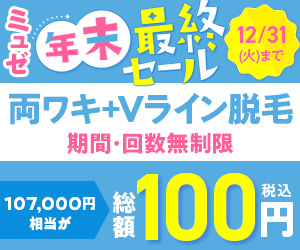
ミュゼは自由に店舗サロンの移動ができます。全国に約200店舗あり、学校・仕事帰りに気軽に通うことができます。
最新機器の超高速脱毛マシンにより、脱毛スピードが2倍にアップし、美肌効果もプラスされています。お手入れの際に使用するジェルには、美肌成分フラーレンが配合されています。冷却機能でお肌を冷やしながら脱毛するため、痛みもほぼありません。
無理な勧誘もなく、表示価格以外の追加料金も一切ないです。
全ての店舗にスキンケアマイスター取得スタッフが在籍しており、肌の状態に合わせたアフターケアが受けられます。

TBCの終わりのある脱毛は一度処理した毛はもう生えてこない脱毛法(美容電気脱毛)を採用しています。毛を一本一本丁寧に処理します。プローブという超極細の器具を毛穴に挿入する技術が必要な施術です。
毛質・毛色・肌色問わず高い脱毛効果が期待できます(産毛や白髪や剛毛でも処理可能)。
初回カウンセリングと脱毛体験コースが同じ日にできるため、即日即効で脱毛できます。
脱毛後はトリプル美肌ケアを行います。コラーゲン・プラセンタ・ヒアルロン酸を配合したジェルで、ツルツル美肌に仕上げます。
全都道府県に店舗があり、サロン移動も可能なので、安心して通い続けられます。